
The DIY Wire Blog
Why More Americans Are Learning to Do Everything Themselves (And You Should Too)
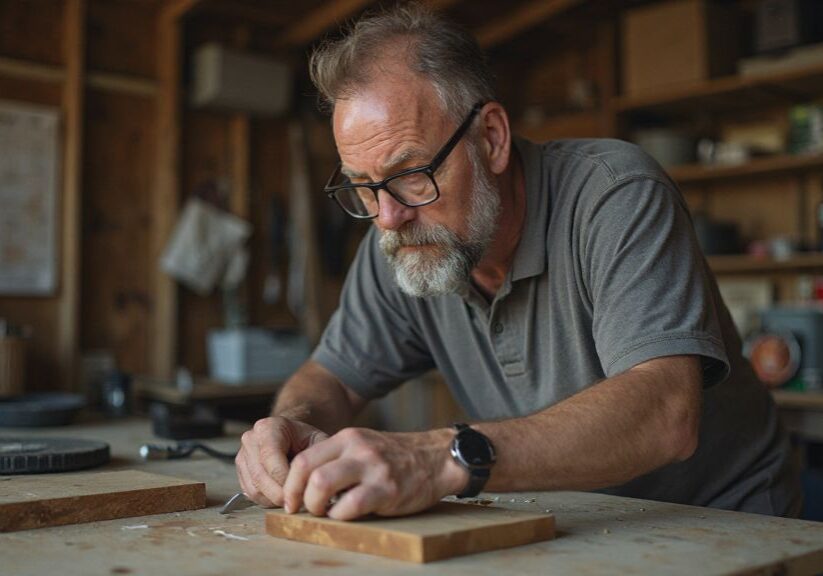
Something is shifting in how people think about self-reliance.
It's not a new idea — the desire to build things, grow things, fix things, and not depend entirely on systems outside your control is as old as human civilization. But after a few decades where the dominant cultural message was "just hire someone" or "just buy it," something is pulling people back toward doing things themselves. And it's not hard to understand why.
The Triggers Are Real
The pandemic was a turning point for a lot of people. Supply chains broke. Store shelves went empty. Contractors became unavailable or impossibly expensive. For the first time in a long time, a significant portion of the population was confronted with a direct question: if the systems I depend on stop working, what can I actually do myself? Many people didn't like the answer.
But the pandemic was just the most visible trigger. The underlying pressures were already there:
Energy costs keep rising. The average residential electricity rate has roughly doubled over the past 20 years. People who know how to reduce or replace their grid dependence have a hedge against that trend. People who don't are just along for the ride.
Skilled tradespeople are expensive and hard to find. A licensed electrician in most major metro areas charges $100–$150 per hour. A plumber starts around the same. The gap between what skilled labor costs and what most households can comfortably spend has widened steadily.
Food security feels less certain than it used to. Supply chain disruptions, inflation, and the vulnerability of long-distance food distribution networks have made more people want some form of food production closer to home.
The things people buy break faster and can't be repaired. The repair economy that existed for most of the 20th century largely collapsed as products became cheaper and deliberately harder to fix. Many people aren't waiting for policy to change — they're learning to fix things themselves.
What People Are Actually Doing
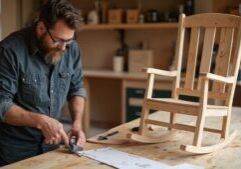
Woodworking and home improvement have seen significant growth in participation, particularly among people who want to build furniture, renovate spaces, or maintain their homes without hiring out every job. A handbuilt piece of furniture costs a fraction of its retail equivalent — and there's a satisfaction in living in a space you shaped with your own hands that no amount of purchased furniture replicates.
Off-grid and alternative energy is attracting people who are tired of paying rising utility bills with no recourse, or who've experienced extended power outages and don't want to be in that position again. Residential solar has grown dramatically, as has interest in battery backup systems and energy-efficient home modifications.
Food growing and preservation — vegetable gardens, homesteading practices, canning, fermenting, raising chickens — has grown beyond what most people would have predicted ten years ago. Urban and suburban households are growing meaningful portions of their own food.
Mechanical and technical skills — basic car maintenance, plumbing, electrical work, appliance repair — are being reclaimed by people who previously outsourced everything. YouTube has made a remarkable amount of practical knowledge freely accessible.
The Real Payoff Is More Than Financial
The financial case for DIY skills is straightforward. You save money. Sometimes a lot of it.
But the people who stick with it long-term almost universally describe something else as the reason: competence. The feeling of being able to handle things. Of not being dependent on a contractor's schedule or a utility's pricing or a store's inventory.
When you've built something with your hands, you understand it in a way that someone who bought the same thing doesn't. When you've wired a circuit or fixed an appliance, the systems in your home are legible to you in a way they weren't before. That's not a small thing. Competence compounds — each skill you develop makes the next one easier, builds your confidence, and expands what you believe is possible.
The Bar Is Lower Than You Think
The most common reason people give for not pursuing DIY skills is that they don't know where to start, or they believe there's too much to learn before they can do anything useful. Neither of these is really true.
You can build a functional piece of furniture with a $100 drill, a $150 circular saw, and a weekend's worth of effort. You can meaningfully reduce your electric bill with a tube of caulk and an afternoon. You can start a vegetable garden in raised beds for under $100. You can set up basic backup power for a home office with a portable solar generator that costs less than one month's electric bill.
None of these requires a decade of training. They require a decision to start, a willingness to learn as you go, and acceptance that the first version of anything won't be perfect. The perfect is the enemy of the good — and the good is very achievable.
The Bigger Picture
People are recognizing that total dependence on systems, services, and supply chains they don't control and can't influence is a form of fragility. That recognition is driving a return to skills, tools, and knowledge that were once considered basic household competencies but became rare over the past few generations.
It's not about rejecting modern life. It's about rebalancing — having enough capability of your own that you're choosing to use services rather than unable to function without them. That's a sensible goal for any household in any era. And right now, the tools, information, and community available to support it have never been better.
The only question is whether you start.






This site contains affiliate links. We may earn a commission if you purchase through our links, at no additional cost to you.
©2026 Say Cheese Productions LLC | All Rights Reserved
support@thediywire.com