
The DIY Wire Blog
The Most Common Woodworking Mistakes Beginners Make (And How to Avoid Them)
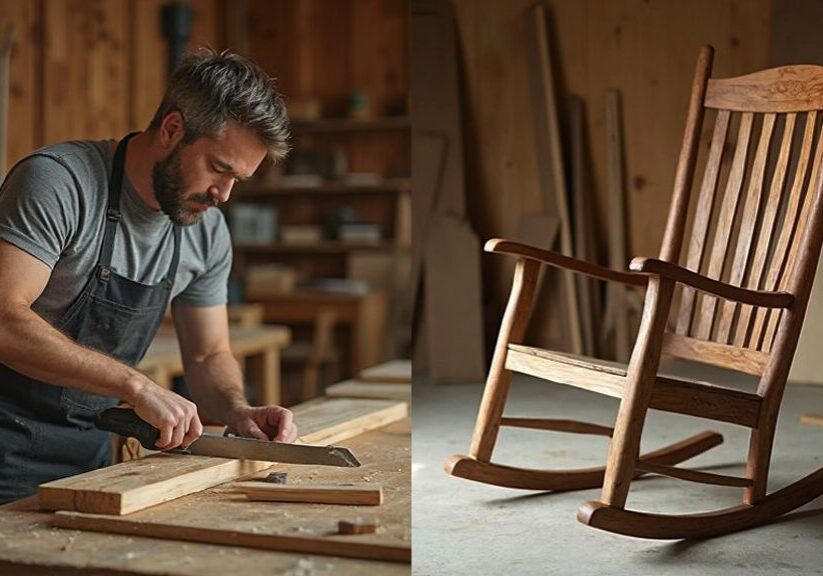
Woodworking has a steep early learning curve — not because the skills are impossibly hard, but because beginners keep making the same handful of mistakes. The same ones, over and over, across generations of people picking up a saw for the first time.
The frustrating part is that most of these mistakes aren't about technique. They're about habits. Get the habits right early and you'll skip months of frustrating results.
Here are the mistakes that derail most beginners — and what to do instead.
Mistake #1: Measuring Once and Cutting Immediately
"Measure twice, cut once" is a woodworking cliché because it's completely true and constantly ignored.
Wood doesn't forgive. If you cut a board an inch too short, that board is now an inch too short. You can't add wood back. Beginners rush measurements because they're eager to get to the cutting — and then they stand there holding a piece that doesn't fit, wondering where they went wrong.
What to do instead: Measure. Mark the line. Then measure again from a different reference point before you cut. Write your measurements directly on the wood in pencil as you take them. Don't rely on memory, even for 30 seconds.
Mistake #2: Skipping the Pre-Drill
Driving a screw directly into wood near an edge — without drilling a pilot hole first — is one of the most reliable ways to split a board. The wood fibers have nowhere to go, so they crack outward. It looks bad, it weakens the joint, and it's completely preventable.
What to do instead: Any time you're driving a screw within two inches of an end or edge, drill a pilot hole first. Use a bit that's slightly smaller than the screw shank. It takes ten seconds and eliminates a common and ugly failure.
Mistake #3: Using Dull Blades and Bits
A dull saw blade doesn't just cut slowly — it cuts badly. It wanders off the line, burns the wood, and requires you to push harder, which introduces more error and more danger. The same goes for drill bits that haven't been replaced in two years.
What to do instead: If you're pushing noticeably harder than before, or if you're seeing burn marks on cuts, replace the blade. A new carbide blade costs $15 and will transform your results immediately.
Mistake #4: Ignoring Wood Grain Direction
Wood is not a uniform material. It has grain — a directional structure that affects how it cuts, planes, sands, and stains. Cutting or sanding against the grain produces tear-out, rough surfaces, and uneven finishes.
What to do instead: Always sand with the grain — in the direction the grain lines run, not across them. When staining, apply in the direction of the grain for an even result.
Mistake #5: Skipping Surface Prep Before Finishing
A beautiful piece of furniture ruined by a blotchy, uneven finish is a heartbreaker — and it almost always comes down to inadequate sanding before the stain or paint went on.
What to do instead: Sand through progressive grits (80, then 120, then 180 or 220). After the final sanding, wipe the piece down with a tack cloth to remove all dust. Let it dry completely before applying finish. The prep work is 80% of a good finish.
Mistake #6: Building Without a Plan
Jumping straight from "I want to build a bookshelf" to picking up a saw is a recipe for expensive confusion. Without a basic plan — even a rough sketch on paper with dimensions — you'll make decisions mid-build that conflict with decisions you made earlier.
What to do instead: Before buying a single board, draw the project. Then make a cut list: every piece you need, its dimensions, and what it's for. This takes 20 minutes and saves hours of backtracking.
Mistake #7: Buying Cheap Clamps
Clamps are how you hold glued joints together while they dry. Cheap clamps slip, don't apply even pressure, and leave marks on wood. Beginners buy the cheapest clamps available because clamps feel like an accessory rather than a tool.
What to do instead: Buy fewer, better clamps. Four quality 6-inch bar clamps or F-clamps will serve you better than twelve flimsy ones. Bessey and Irwin are two brands that hold up without breaking the bank.
Mistake #8: Working With Wet or Improperly Dried Lumber
Lumber from a big-box store isn't always properly dried — and wood that still has moisture in it will move as it dries. Boards will warp, joints will open up, and drawers will stick.
What to do instead: Sight down the length of a board before buying — you'll immediately see any bow or twist. For projects that need to stay flat, let lumber acclimate in your workspace for at least a few days before cutting.
The Underlying Theme
Almost every mistake on this list comes from rushing. Rushing the measurement, skipping the pilot hole, not sanding properly, building without a plan. Woodworking rewards patience and punishes impatience in very tangible, visible ways.
Slow down. Do each step properly. The time you invest in doing things right the first time is always less than the time you'll spend fixing what went wrong.






This site contains affiliate links. We may earn a commission if you purchase through our links, at no additional cost to you.
©2026 Say Cheese Productions LLC | All Rights Reserved
support@thediywire.com